

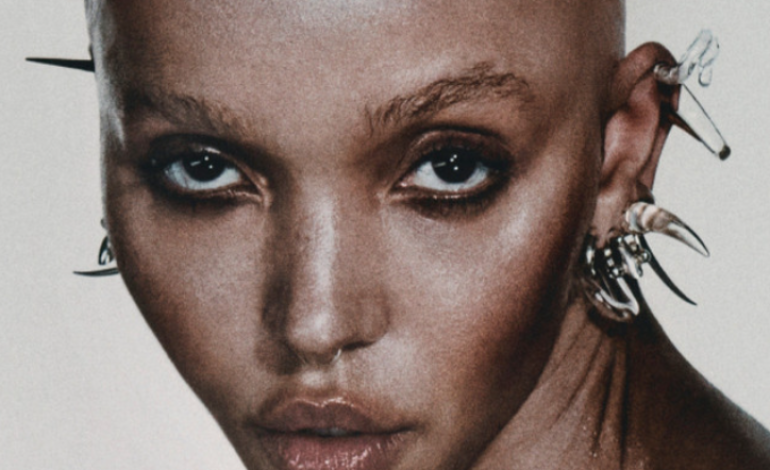
FKA twigs has launched a high‑profile legal battle against US indie duo The Twigs, escalating a decade‑long dispute over the right to use their similar names.
In her complaint, the artist, born Tahliah Barnett, asks a US court to declare that her stage name, FKA twigs, does not infringe the band’s rights and that she can continue to use it without interference. The filing outlines a history stretching back to the early 2010s, when the twin‑sister act behind The Twigs became aware of Barnett’s rising profile and began challenging her use of the name. Barnett’s lawyers describe a pattern of escalating pushback, including cease‑and‑desist correspondence and attempts to assert control over the “twigs” branding.
According to reports on the case, Barnett previously tried to resolve the conflict out of court, at one point offering a financial settlement so both acts could coexist under their respective names. That effort did not end the dispute, and the tension has resurfaced repeatedly as FKA Twigs’ global visibility has grown. The new lawsuit frames her move as a defensive step to secure a court‑backed ruling after years of uncertainty rather than a bid to silence a smaller act.
A key part of Barnett’s argument is the gulf between the two projects’ careers and audiences. Over the last decade, FKA twigs has become a critically acclaimed, internationally recognised artist with major label releases, festival headlines, and a strong digital presence. Since emerging with early EPs in the 2010s, FKA twigs has become one of the UK’s most acclaimed experimental pop artists, known for fusing electronic production, R&B, and avant‑garde visuals. Her debut album ‘LP1‘ earned a Mercury Prize nomination and widespread critical praise, establishing her as a boundary‑pushing voice in contemporary music. Her first of two 2025 album releases, ‘Eusexua‘, was nominated for the Mercury Prize last year, showing her long-standing, established success as an artist.
The Twigs, by contrast, are portrayed in the legal papers and coverage as a far more low‑profile outfit, with limited recent activity and a comparatively modest reach. Rollingstone reports that they “have 67 subscribers and 19,332 views on YouTube, 705 followers on Instagram, and 25 monthly listeners on Spotify” compared to Barnett’s “3.2 million monthly listeners on Spotify and more than 300 million views on YouTube“. Barnett’s team contends that, in practice, fans and industry partners are not confusing the two acts, despite the shared word in their names.
Beyond the courtroom, the case has sparked debate among musicians and commentators about how far artists should go to defend their monikers, especially when those names predate their commercial breakthrough. Many see Barnett’s move as a necessary attempt to protect a hard‑won identity; others worry about the message it sends to smaller, older acts with similar branding. What’s clear is that the outcome will be watched closely by artists navigating modern music, where a name is both a creative choice and a valuable part of intellectual property.

