

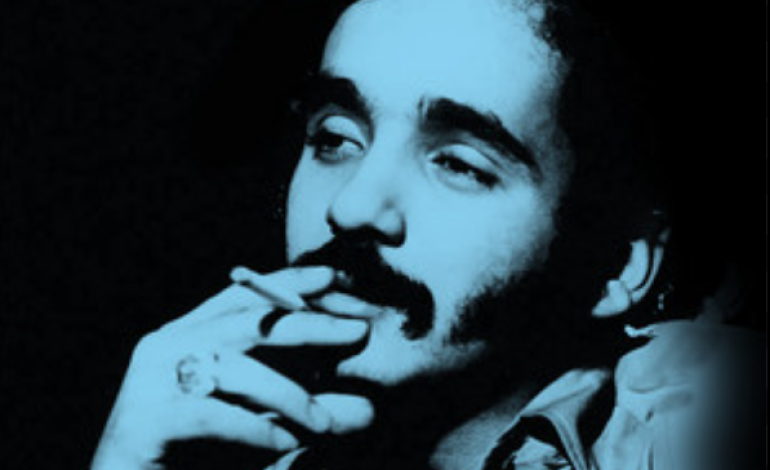
Willie Colón, the trailblazing trombonist, bandleader and composer who helped invent the modern sound of salsa, has died at the age of 75.
Colón’s family announced his death in a statement shared on his official Facebook page, saying he died peacefully on Saturday morning, surrounded by his loved ones. They expressed both “profound sadness” and gratitude for the “timeless gift of his music,” and requested privacy as they mourn. According to multiple reports, Colón died on 21 February 2026 at age 75; a specific cause of death has not been made public. In the hours after the announcement, fans online shared memories, performance clips and recollections of Colón’s illustrious musical catalogue that soundtracked family parties, political marches and everyday life.
Born William Anthony Colón Román in New York City to Puerto Rican parents, Colón became one of the defining architects of the Nuyorican salsa movement in the late 1960s and 1970s. A self-styled streetwise trombonist, he signed with influential label Fania Records at just 15 and released his debut album “El Malo” in 1967, which went on to sell hundreds of thousands of copies.
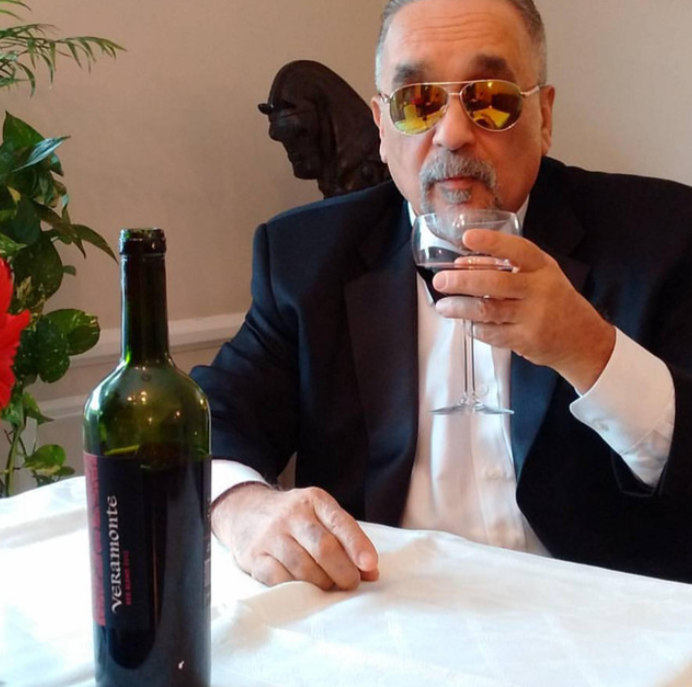
Across a career spanning more than five decades, Colón released dozens of albums and sold more than 30 million records, earning multiple Grammy and Latin Grammy nominations. Landmark releases such as albums ‘La Gran Fuga‘ (1970) and ‘El Juicio‘ (1972) showcased his innovative blend of Afro-Caribbean rhythms, jazz and socially aware lyrics. In 2004, he received a lifetime achievement honour from the Recording Academy, and he was later recognised by Billboard as one of the most influential Latin artists of all time.
Beyond the bandstand, Colón was a prominent activist and public voice for Puerto Rican and other Latino communities in the United States. He used his platform to speak out on social justice issues and served with organisations such as the Congressional Hispanic Caucus Institute and the Latino Commission on AIDS. His songs often featured themes of Latin American poverty, politics and cultural pride, furthering his prominence as a key rolemodel in Latin American communities.
Tributes have poured in across the world. A spokesperson for Fanian Records, Colón’s primary record label, stated, “Willie was much more than an iconic artist; he was a true visionary that forged a new genre of Latin music that we all love today called Salsa. His legacy is etched into the very soul of Latin culture. He will forever be ‘El Maestro”.
For fans and musicians alike, Willie Colón’s death marks the loss of a pioneer whose work not only shaped salsa but also carried the stories and aspirations of generations across the Americas

