

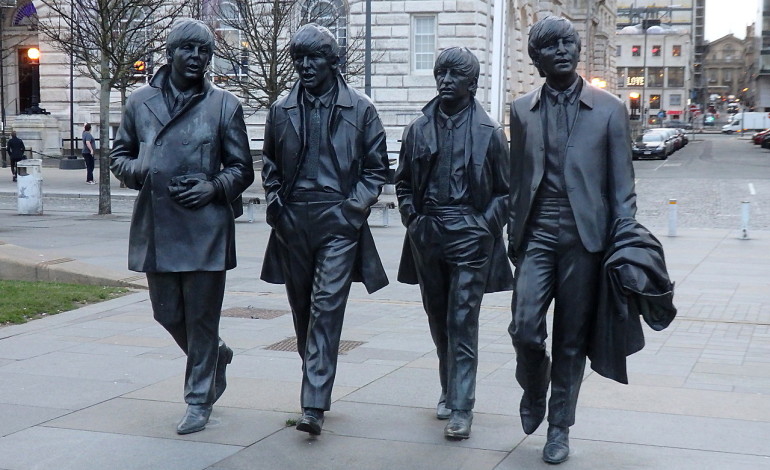
When it comes to British cultural exports, The Beatles remain unmatched. More than fifty years after John, Paul, George and Ringo first took the world by storm, their music still defines an era and their hometown of Liverpool remains central to their story. It seems fitting, then, that the University of Liverpool should be the first institution in the world to offer a Master’s degree dedicated to the Beatles.
The MA in The Beatles: Heritage and Culture is no novelty course. Delivered by the University’s Department of Music and its Institute of Popular Music, the programme takes a serious look at how the band shaped not only popular music but also heritage, tourism and British identity.
Students aren’t simply asked to listen to albums or admire the band’s legacy. Instead, they analyse how the Beatles became part of the fabric of 20th-century Britain, and how their story continues to influence creative industries and heritage projects today.
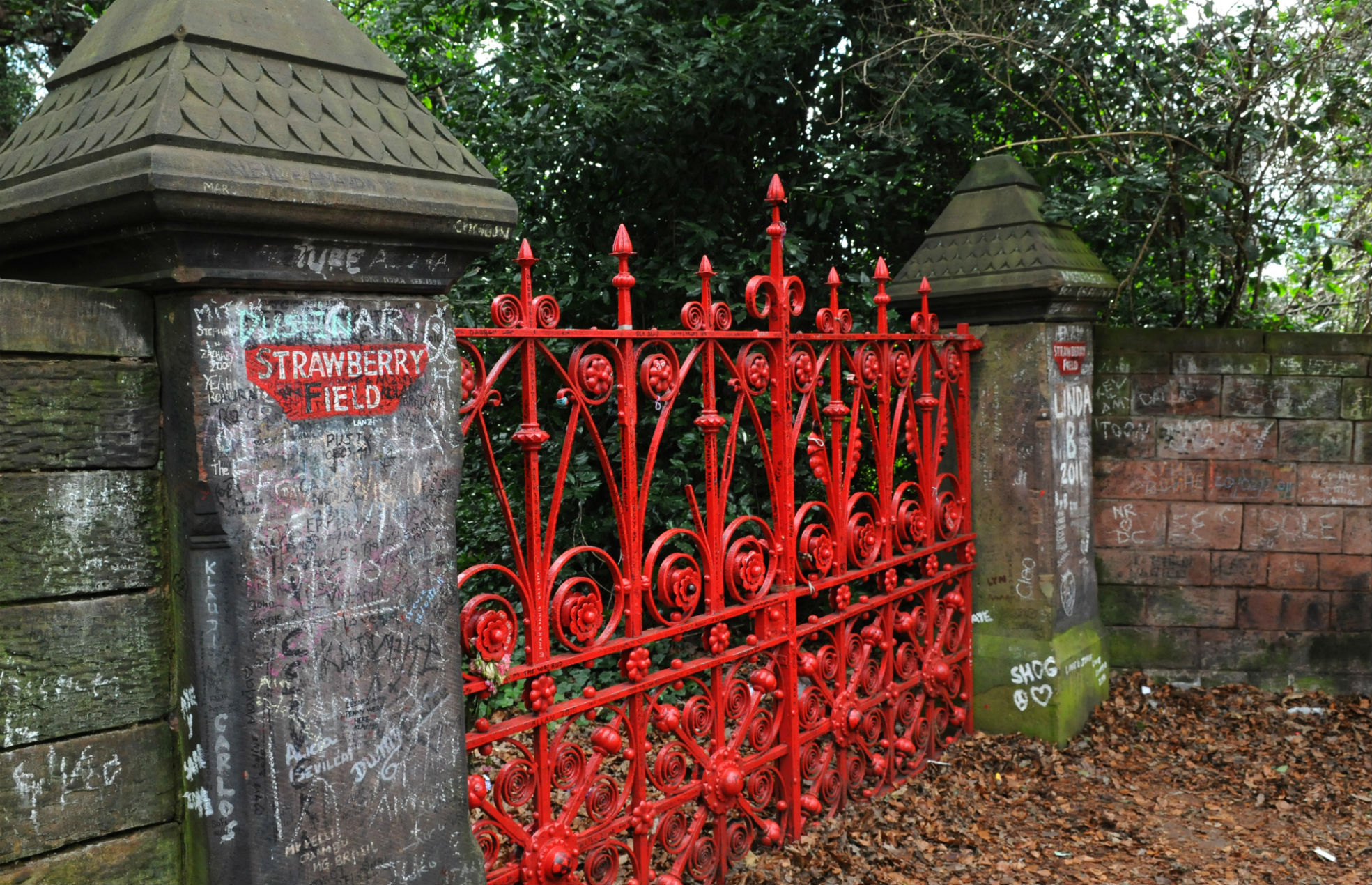
No other city could host this programme. Liverpool isn’t just the birthplace of the Beatles; it is the city that nurtured them and still carries their imprint. Every year, millions of visitors come to see Penny Lane, Strawberry Field, or the legendary Cavern Club, making Beatles heritage worth more than £80 million annually to the local economy.
Students on the course can take part in an optional two-week residency in Liverpool, which includes site visits, lectures and workshops. It’s a chance to walk the same streets, visit the same venues and understand how Liverpool itself has become inseparable from the Beatles’ legacy
The programme includes modules such as:
- The Beatles in the 20th Century
- Heritage and Culture
- Research Skills in Music and Heritage
Assignments range from traditional essays to practical projects like cultural event proposals, tourism plans or walking tours. In this way, the MA balances academic rigour with skills that translate directly into careers in the arts and heritage sectors.
Though Beatles fans are welcome, this course is particularly aimed at those working or aspiring to work in heritage, museums, tourism or the creative industries. Graduates emerge with expertise that can lead to roles in arts management, heritage organisations, journalism or cultural policy.
By turning the Beatles into a subject of serious scholarship, the University of Liverpool has recognised what many Britons already know: the band were not just entertainers, but one of this country’s greatest cultural contributions to the world.

