

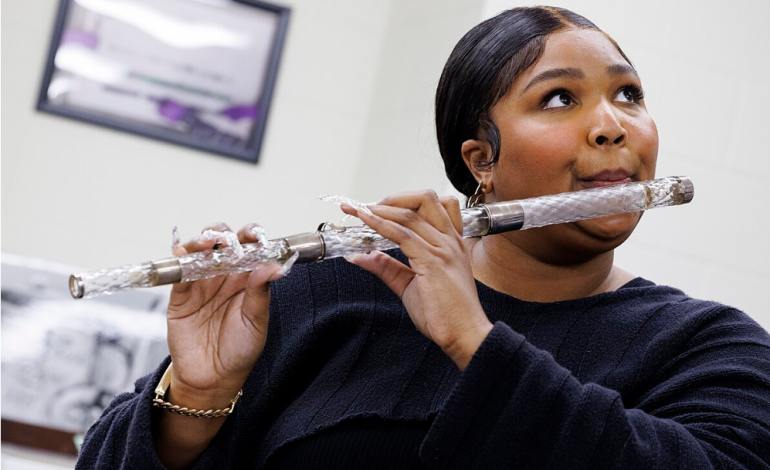
Lizzo has published a new Substack essay that examines what it means to be “cancelled” in contemporary pop culture, framing online backlash as a routine feature of fame rather than a straightforward moral judgement. In the piece, she suggests that large-scale criticism on social media often reflects the speed and intensity of the attention economy as much as it does the specifics of any one incident.
Titled Cancel Me (Again): A ‘cancelled’ woman’s take on why everyone should get cancelled at least once, the essay sees Lizzo revisit several controversial moments in her career, including an NBA courtside outfit, disputes over particular lyrics and debates around her highly publicised weight-loss journey. She describes cancellation as a phenomenon that can flatten complex situations into a single, viral narrative, but also notes that being on the receiving end of that scrutiny has pushed her to examine her blind spots and the consequences of her choices.
Her claim that “everyone should get cancelled at least once” is positioned as a provocation aimed at the way minor missteps and serious harms can provoke similarly intense reactions. She argues that people’s heightened sensitivity online and algorithm feeds make them treat disagreeable content as a personal attack, which fuels conflict and prevents creative risk-taking and growth.
The post arrives after a turbulent period in Lizzo’s public life. In 2023, she was sued by former dancers who alleged harassment and a hostile work environment, claims she has formally disputed. The following year, she attracted widespread attention for an “I quit” Instagram message that was later clarified as a decision to step back from online hostility rather than an announcement that she was leaving music altogether. Once widely embraced as a mainstream symbol of body positivity, she has since described persistent trolling over her body, behaviour and artistic decisions as pushing her away from traditional social media.
Her latest Substack entry follows an earlier newsletter post about weight loss and health, pointing to a broader shift towards long-form writing as a way to process fame, criticism and controversy. For Lizzo, the format offers a chance to address her audience in her own words and at her own pace, away from the immediacy and brevity of platforms such as Instagram or X.
This move also reflects a wider trend of musicians turning to newsletters as an alternative channel for fan communication. Substack, in particular, has become a space where artists share essays, demos, tour diaries and behind-the-scenes commentary without the constraints of character limits or the volatility of public comment threads. Many cite the slower pace, lower volume of abuse and ability to build paying subscriber bases as major draws.
For artists whose reputations are heavily contested online, these newsletters can serve as a reputational reset, allowing them to speak directly to committed listeners. In Lizzo’s case, the essay functions as both a public reflection on cancel culture and a signal to fans that she plans to shape her own narrative through considered, long-form communication rather than reactive social media posts.
Lizzo now joins a growing roster of pop stars and veterans experimenting with Substack. Charli XCX, for instance, launched a newsletter in late 2025 and has used it for extended reflections on life after her “Brat” era and upcoming projects, mirroring Lizzo’s emphasis on process over pure promotion. Rosalía has used her space to share release updates and sheet music, while artists such as Patti Smith, Jeff Tweedy, Dolly Parton, Lorde, Tegan and Sara and Neko Case have turned newsletters into a hybrid of fan club, journal and income stream. Together, their approaches highlight how artists are reworking the relationships among celebrity, criticism, and direct fan engagement in a changing online landscape.
Featured Image credits: Library of Congress Life

