

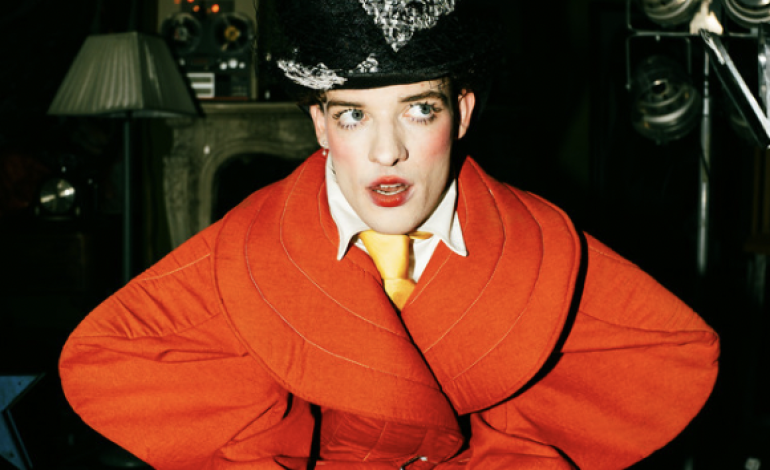
Switzerland’s 2024 Eurovision winner, Nemo, has returned their trophy to the European Broadcasting Union (EBU) in protest against Israel’s participation in the 2026 contest. The artist, who made history as the first non-binary performer to win Eurovision, said the decision came after months of frustration over what they described as the EBU’s failure to uphold its stated values of inclusivity and peace.
Nemo, who won the 2024 contest in Malmö, Sweden, with the song “The Code”, announced their decision through an official statement posted on social media this week. The artist explained that returning the trophy was a symbolic act intended to draw attention to what they view as a moral inconsistency within the competition’s governing body. They expressed disappointment that, despite growing public pressure and widespread calls for the EBU to suspend Israel amid the ongoing conflict in Gaza, the broadcaster group confirmed Israel’s eligibility for the 2026 event.
The EBU’s recent decision to include Israel has reignited debate around the political neutrality of Eurovision, which bills itself as an apolitical celebration of music and culture. Critics have accused the organisation of double standards, pointing to its decision to bar Russia from the competition in 2022 following its invasion of Ukraine. Supporters of Nemo’s stance argue that continuing to allow Israel to compete undermines the contest’s credibility and social responsibility at a time of humanitarian crisis.
In their announcement, Nemo reiterated support for freedom, equality, and human rights for all people affected by war, emphasising that their protest was directed at institutions rather than individuals or fellow artists. The decision has sparked a wave of responses across the Eurovision community, with fans and past contestants divided on how politics should intersect with the music contest. Some have hailed the move as courageous and consistent with Nemo’s progressive advocacy, while others defended the EBU’s commitment to maintaining Eurovision as a politically neutral event.
The EBU, in a brief statement responding to Nemo’s decision, confirmed receipt of the trophy but maintained its longstanding policy that Eurovision is “not a platform for political statements.” The organisation noted that all participating broadcasters must adhere to its rules of impartiality and inclusion. Nonetheless, the decision to proceed with Israel’s participation in 2026, expected to be in Madrid, has continued to fuel debate over how the contest should handle political and humanitarian issues.
Nemo’s act adds to a growing wave of artistic protest surrounding Israel’s presence at major cultural events. Over the past year, petitions from European artists, activists and fan groups have called for the EBU to reconsider its stance, arguing that participation from a nation involved in an active military campaign contradicts the spirit of unity that Eurovision seeks to promote. Whether the EBU will alter its position remains uncertain, but the controversy has already ensured that next year’s contest will unfold under heightened scrutiny.
Featured Image Credits: Arkland

