

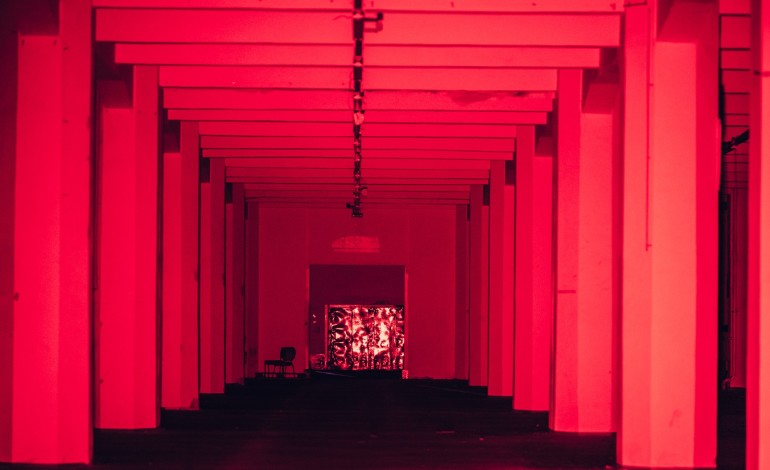
Authorities in Budapest have ordered the temporary closure of several well-known nightlife venues, including Arzenál and Turbina, as part of a wider crackdown on drug activity in the city’s club scene. The closures follow new legislation that grants police the power to shut down venues suspected of being linked to drug use or trafficking.
The recent enforcement actions are part of a broader campaign by Hungarian authorities targeting nightlife establishments. Since late 2025, police have carried out raids, investigations and arrests across multiple venues in Budapest, claiming the operations are necessary to combat drug distribution in clubs and music venues. The measures have raised concern among promoters, artists and venue owners about the impact on the city’s nightlife ecosystem.
One of the most notable closures involves Arzenál, one of Hungary’s largest indoor nightclubs. The venue is located in a converted industrial building that was once a gun factory and confirmed it had been ordered to close for two months following a series of drug-related arrests. Authorities reportedly detained a 22-year-old man on suspicion of trafficking after discovering dozens of ecstasy pills during a search. Following the decision, Arzenál announced that it would suspend events until late April while complying with the order. In a public statement, the club said the shutdown would cause significant harm to its team, artists and partners. Management stressed that the venue maintains a strict zero-tolerance policy toward drugs, but argued that event spaces cannot fully prevent illegal behaviour by individuals. According to the club, the forced closure threatens years of work and the livelihoods of around 50 employees. To help cover financial losses during the shutdown, the venue has asked supporters and the local community for assistance.
Another venue affected by the crackdown is the Turbina Cultural Centre, an underground arts and music space in central Budapest. Police ordered Turbina to close after an investigation into alleged drug sales connected to the venue. Authorities claim that visitors purchased substances such as marijuana, amphetamine powder and ecstasy tablets from an individual suspected of dealing drugs.
However, Turbina strongly disputes the allegations. In a statement, the venue said police had monitored the space for weeks as part of an undercover operation and had not identified any violations during that time. According to the venue, officers even indicated that they were satisfied with its security and operational procedures. Management argues that the closure is instead based on testimony in an ongoing investigation rather than evidence gathered directly at the club.
As the closures continue, the future of several nightlife venues remain uncertain. For Budapest’s music community, the closure show the growing tension between authorities seeking stricter drug enforcement and a nightlife culture concerned about the survival of its spaces.

