

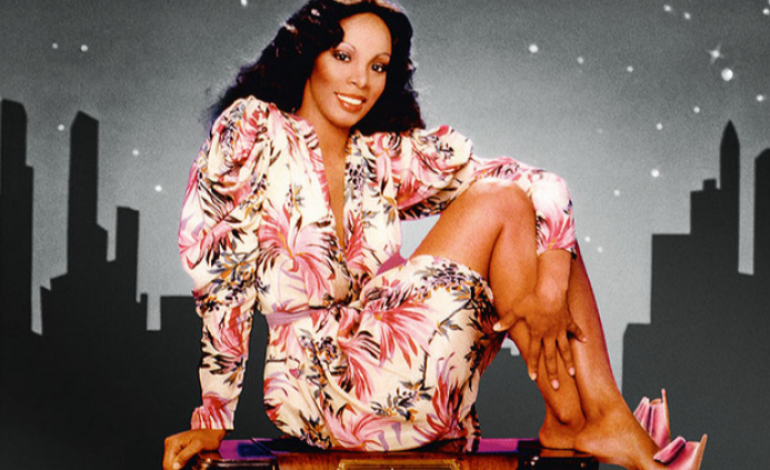
More than four decades after she redefined the sound of nightlife, Donna Summer has officially been inducted into the Rock & Roll Hall of Fame. It’s a long-overdue recognition for an artist whose shimmering voice and daring sound reshaped popular music, bridging dancefloors and radio charts across generations.
Though Summer passed away in 2012, her legacy feels more alive than ever. Announced by The Songwriters Hall of Fame this week following a posthumous ceremony of honour, her induction is not only a tribute to the icon but also a renewed celebration of disco’s artistry and cultural significance, something often underappreciated during its heyday.
When single ‘Love to Love You Baby’ arrived in 1975, it scandalised and seduced in equal measure. Produced by Giorgio Moroder and Pete Bellotte, its early-electronic throb and hypnotic sensuality marked the dawn of a new era. Together, Summer and Moroder created a sound that would become the foundation of modern pop, electronic and dance music- a fusion of pulsing synthesisers, lush instrumentalism and an unrelenting rhythm that captured the euphoria of the dancefloor.
Summer’s voice moved effortlessly between intimacy and ecstasy, from the subdued sighs of ‘I Feel Love’ to the defiant drive of ‘Hot Stuff’. Her performances gave the music something that technology alone could never provide: soul. As electronic instruments rose to prominence, she humanised them, making the robotic feel romantic.
‘I Feel Love’, released in 1977, has since been acknowledged as one of the most influential recordings in modern music history. It anticipated techno, house and the digital revolution that would dominate later decades. Brian Eno famously told David Bowie that the song would change the future of music. The likes of Madonna, Beyoncé, and Kylie Minogue have drawn from Summer’s work, featuring pulsating beats, sensual liberation and unfiltered confidence, using iconic samples directly from her music (E.g, Beyoncé’s ‘Naughty Girl’).
But Summer’s career went far beyond disco’s mirrored ball. She was a pop star who transcended genre, finding strength in reinvention. Hits like ‘Bad Girls’ and ‘She Works Hard for the Money’ showcased her versatility while grounding her in anthems of empowerment and endurance. She balanced the divine and the everyday, glitz and gospel, turning dance music into something deeply human.
This Hall of Fame induction cements her legacy as more than a disco legend; it affirms her as one of the great innovators of modern sound. The genre she helped pioneer was once dismissed as disposable, but without disco’s rhythmic DNA, electronic pop as we know it wouldn’t exist.
Donna Summer made people dance, but she also made them feel free. Her records offered escape and empowerment in equal measure, celebrating self-expression and joy at a time when both were political. As the Hall of Fame recognises her monumental impact, the lights of the dancefloor glow a little brighter, now illuminated by the powerhouse who helped build it.
Other 2025 inductees included hugely regarded performers like Outkast, Cyndi Lauper, Sound Garden, The White Stripes, each honoured in the November ceremony.

