

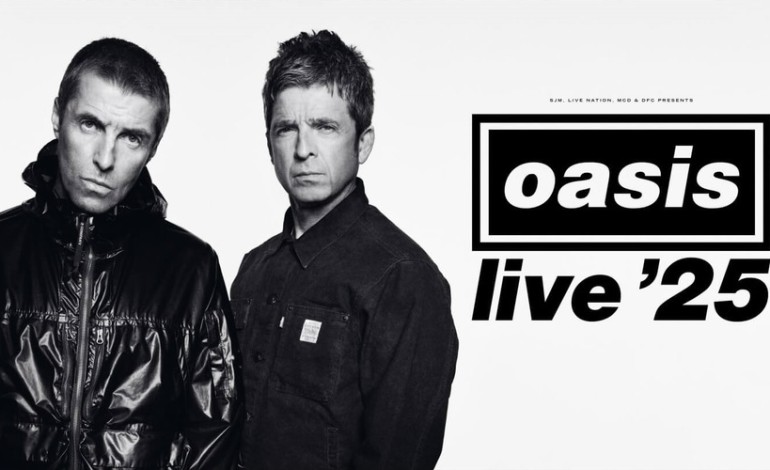
Ticketmaster has recently announced a serious commitment to improve the transparency of its website ticket sales in the wake of criticism surrounding the Oasis reunion tour sales earlier this month. The CMA (Competition and Markets Authority) confirmed on Thursday, 25 September, that it had obtained legally binding undertakings from the ticketing giant, following a flurry of fan frustrations after many website users remarked on the inflated costs, unforeseen price jumps, and inefficient online queuing.
The commitments come as a direct reaction to the unprecedented demand for the Oasis 2025 reunion tour, which launched its sales in early September. When attempting to secure tickets for the event, fans reported that within minutes, the tickets they had added to their online baskets had vanished, only to reappear available but at a significantly higher price, in accordance with Ticketmaster’s “dynamic pricing” model. After many fans missed out on buying their tickets, social media quickly filled with complaints of exploitation and scalping by another name, with the CMA pressed to intervene.
In the CMA’s released announcement, they stated that Ticketmaster has now come to an agreement that requires the site to clearly display the number of tickets available at each different price tier. In addition, they will have to notify buyers when dynamic pricing is being enabled, and also set stricter caps on how much prices can rise above the original face value. The ticketing site has also agreed to provide a clearer breakdown of extra fees, like booking fees and additional charges, an issue that has also been a consistent point of complaint for consumers.
Ticketmaster, through its press release, states that they are actively seeking to “listen to fans’ concerns” and that the new measures will “ensure greater clarity and fairness in ticket purchasing”. The company insists that dynamic pricing is still a necessity in order to deal with the supply and consequent demand, yet did acknowledge that the “communication around these mechanisms has not always met the expectations of fans”.
The particular case of the Oasis ticketing fallout marked a particularly growing tension within the live music economy: fans who were eager to see the legendary act versus the platforms and promoters balancing the demand with profitability. While the Oasis’ reunion tour was expected to attract a higher number of potential buyers, the scale of the reaction has brought to the forefront the wider debates around access to major tours and whether major ticketing platforms are doing enough to protect ordinary consumers from being priced out.
For the CMA, the announcement marks a commitment to both reassuring the government and the public that regulatory oversight can keep pace with the evolving live music industry event scene. “Fans deserve honesty and transparency when buying tickets,” a spokesman committed on the company’s behalf, confirming the statement to “represent a significant step forward”.
The Oasis show has become the key example of high-profile concerts falling susceptible to significant mark-ups, placing Ticketmaster and other primary sellers under renewed scrutiny. For many fans, these changes will be a sigh of relief, demonstrating slight reassurance to fans about the affordability and accessibility of live music tickets. However, it is yet to see if other giants in the industry are to follow suit.
However, one Oasis fan, whilst acknowledging the clarity and transparency to be a step in the right direction, still states how prices remain sky-high. As the live sector heads into yet another year of high-demand tours, fans are yet again questioning how much they are willing to spend to see their favourite acts — even with new promises of transparency in place.

