

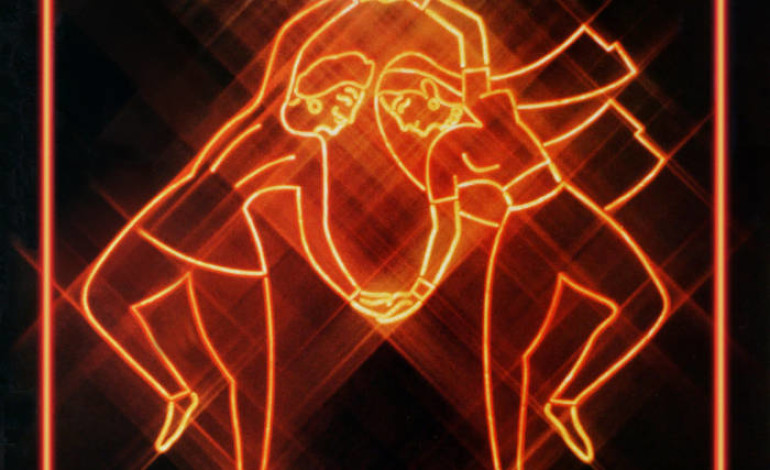
The history of British dance music is a tapestry woven from diverse cultural threads, yet certain narratives have been unjustly obscured. A ‘lost holy grail’ of British dance music, Mohinder Kaur Bhamra’s 1982 album ‘Punjabi Disco‘, is set for a monumental reissue, promising to rewrite the history of UK Asian dance and electronic music. Discovered serendipitously during the Covid lockdown, the original multitrack masters of this pioneering record will finally see the light of day, signalling a powerful act of historical and cultural reclamation.
This is not nostalgia. It is a resurgence, arriving at a time when the sound of Punjabi music is steadily emerging on UK dance floors, shaping festival line-ups, warehouse raves, and club nights. The reissue signals a shift: what once tiptoed through community halls and corner shops now has global visibility and cultural capital. Produced by her son, Kuljit Bhamra, the album’s initial release was tragically overlooked, primarily due to a music industry that struggled to categorise, let alone support, innovative diasporic sounds. Now, through Naya Beat Records, this ‘true lost relic’ is poised to receive its long-overdue recognition, shedding light on a vibrant yet marginalised subculture that has profoundly shaped British music.
The story of ‘Punjabi Disco’ begins in West London, where first-generation South Asian immigrants navigated a complex cultural landscape. Mohinder Kaur Bhamra, a revered classical vocalist, was already a trailblazer, becoming the first woman to sing at Punjabi weddings in the UK. These events, typically conservative and segregated, provided the unlikely backdrop for a quiet revolution. Inspired by the burgeoning disco movement, Kuljit Bhamra envisioned an ‘unsegregated dancefloor’. His mother’s album became the vehicle for this social rebellion, directly challenging gender and social barriers within the community. “We were notorious for enabling the first mixed British Asian dancefloors,” Kuljit recalls, highlighting how the music was not just an artistic experiment, but a socio-political intervention.
Technologically, the album was a marvel. Kuljit utilised a Roland SH-1000 synthesiser and a CR-8000 CompuRhythm drum machine, cutting-edge instruments of 1982, to craft a tapestry of electric drum rhythms, warbling bass, and psychedelic, siren-like Roland synth melodies. This futuristic electronic sound provided a vibrant canvas for his mother’s powerful Punjabi-language folk singing, creating a genre-defying fusion that pre-dated much of what would later be recognised as electronic dance music.
The path to reissue was arduous. It began with a chance find: a friend alerted archiving DJ Raghav Mani to a rare copy, prompting a hunt for the original master tapes. Over three years, Mani and partners scoured archives, negotiated rights, repaired deteriorating tapes and rebuilt the sound. The remastering includes unreleased tracks, which could not fit on the original press. The reissue also features remixes from contemporary artists such as Peaking Lights, Psychemagik, Mystic Jungle and Baalti.
‘Punjabi Disco’ is no longer a footnote in collector lore. With this reissue, it asserts itself as a foundational document of hybrid sound, one that challenges narratives about where innovation originated and whose voices shaped it. ‘Punjabi Disco’ is finally ready to take its rightful place on the global stage, illuminating a forgotten past and inspiring future generations.

