

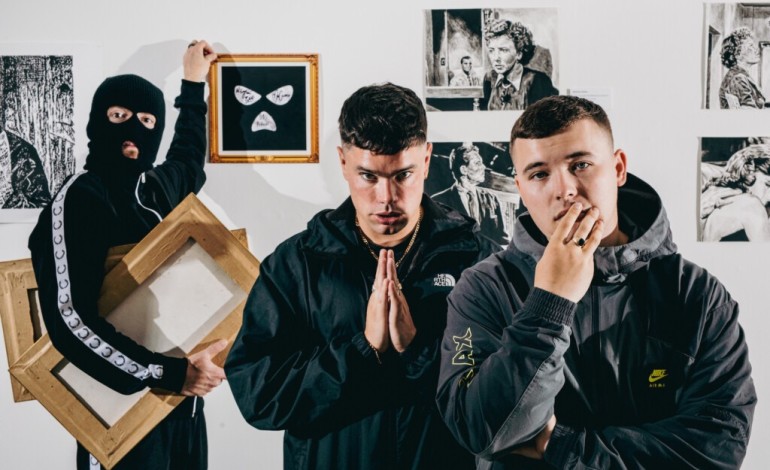
The Irish rap trio Kneecap has been banned from entering and performing in Canada, with Ottawa cancelling their four upcoming concerts in both Toronto and Vancouver in October. The ban follows an announcement by Vince Gasparro, Canada’s parliamentary secretary for combating crime, who indicated that the band’s alleged statements and actions violate Canadian law.
Gasparro states Kneecap to have “publicly displayed support for terrorist organisations such as Hezbollah and Hamas”, citing that their work breaches any claims to artistic or political speech, instead becoming indicative of the “glorification of terrorism”.
He states that advocating for violence, through the utilisation of hate symbols that target the Jewish community, and the praising of political violence are not encouraged or protected under Canadian law.
Kneecap has rebutted the sentiment of this statement (now deleted), rejecting all allegations. In a statement previously posted on X (formerly Twitter), they suggest the government’s characterisation of them to be “wholly untrue and deeply malicious”, substantiated by the fact that after many run-ins with legal disputes, ultimately no member has ever been convicted of a crime. They state these accusations to be a misrepresentation of their political message, one that misplaces their activism as an example of military support rather than an acknowledgment of solidarity with Palestinian suffering.
The group’s recent history adds a further complex layer of nuance to the controversy. Earlier this year, at Glastonbury 2025, frontman Liam Óg Ó hAnnaidh (aka Mo Chara) accused Israel of committing war crimes during his Pyramid stage performance, leading to a public stir in both the debate surrounding the topic and the media coverage that provided the band with a public platform.
Also relevant is the pending legal case: Ó hAnnaidh faces a UK charge tied to an alleged display of a Hezbollah flag during a 2024 concert. He denies the charge, claiming such items were thrown onstage without his involvement.
Legal authorities in Canada say that because of these cited incidents, the band is no longer eligible to safely enter the country under immigration law. Ultimately resulting in the cancellation of the four scheduled shows in the upcoming months as a result of.
For Kneecap, this ban adds to a growingly controversial public persona, representing additional escalations with international restrictions and cancellations. In July, they were banned from entering Hungary over similar concerns, and earlier in the year, they called off select shows of their U.S. tour because of the scheduling proximity to Ó hAnnaidh’s court case.
The Canadian government’s position emphasises that while political debate and free speech are vital, there are legal limits when it comes to promoting or symbolically supporting banned organisations or incitement. As Kneecap prepares to challenge the decision legally, the case adds to ongoing debates over how much latitude artists have when their work intersects with politics, identity, protest, and the interpretation of symbolic speech.

